Tidepool Description
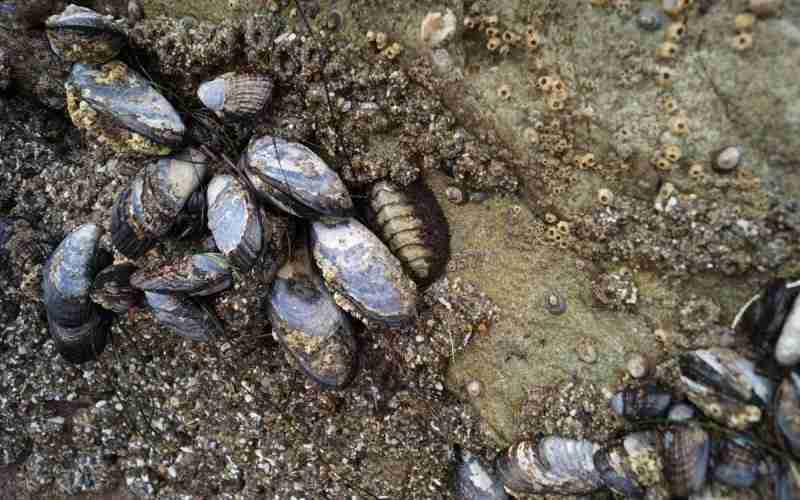
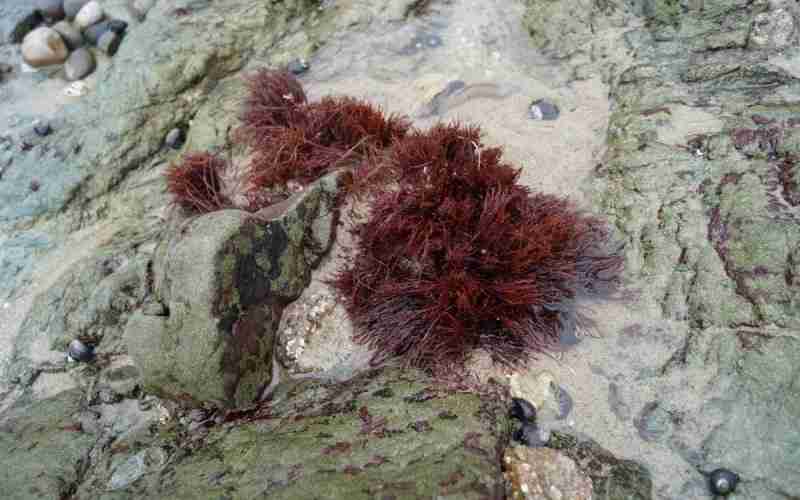
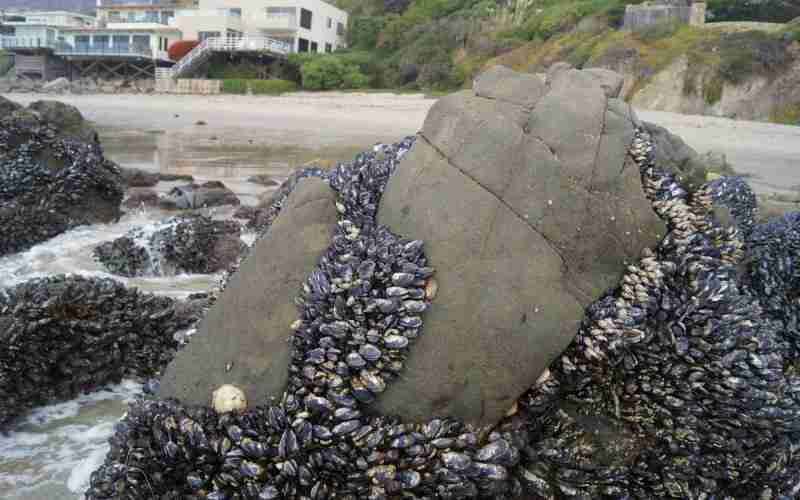
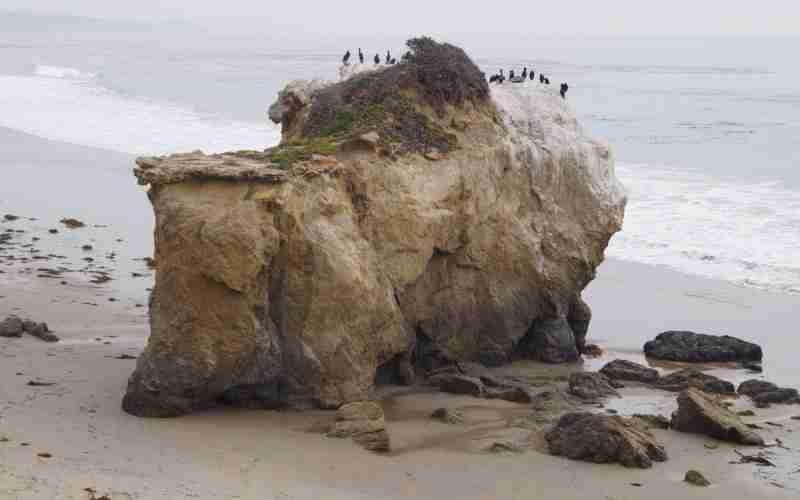
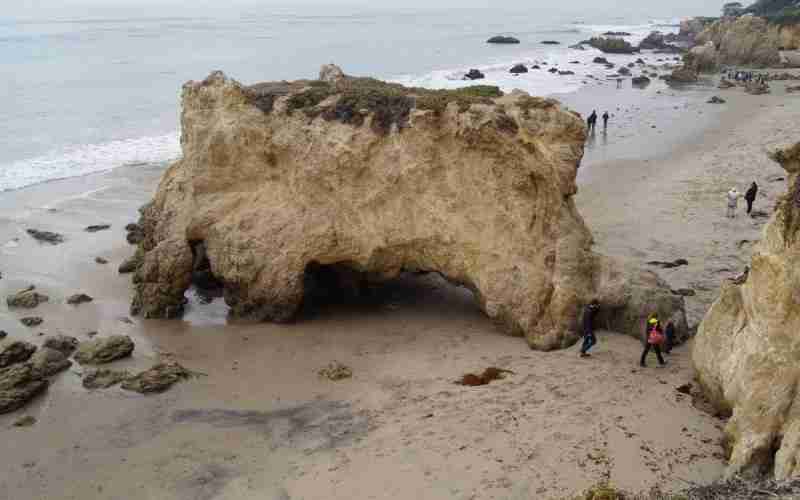
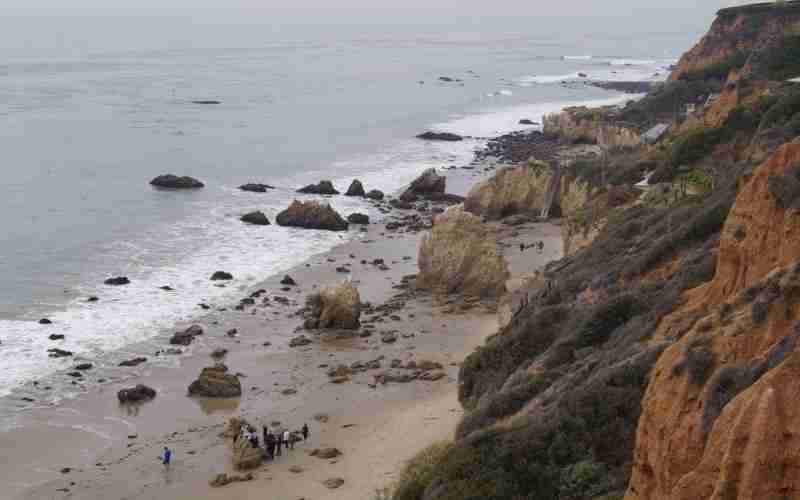
This State Beach is well known for several large monoliths ( large rock formations with shear sides that are perpendicular to the beach ) located in the tidal zone. These monoliths have lots of marine life and easily accessible at low tide. The beach and tidepool area is located at the base of steep cliffs. This area also has a larger boulder field that provides great habitat for mussels, red and brown alga, barnacles, the occasional sea star, sea hare and lots more. The rock monoliths provide a good view of the variety of marine life in the different tidal zones. The boulders are covered by red algae and have large Chitons and colonies of aggregating sea anemones.
Location, Parking and Amenities
Access to the state beach is by a small road from Pacific Coast Highway. This access road is marked by a brown and yellow sign that is easily missed if the driver is not aware of the location. Follow the small road down to the parking area. This is a self service fee area and is monitored frequently. There are portable restrooms located in the parking area.
Tidepool Access
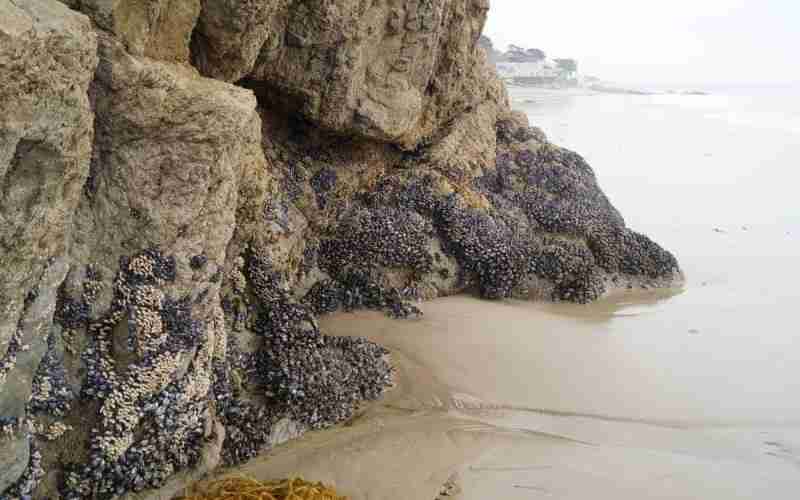
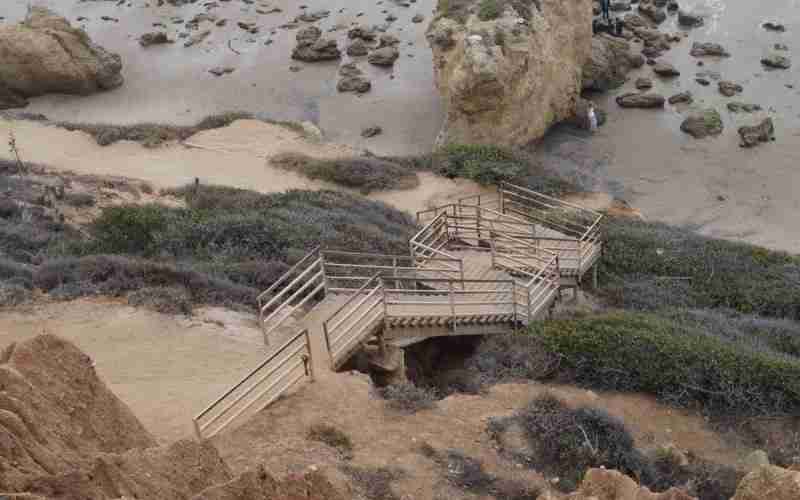
Access to the tidepool area is by a dirt path that winds down the very steep cliffs. The dirt path ends in a staircase that provides access to the beach. There are two tidepool areas, one the north and one to the south. Both areas have similar marine life. The northern area is larger in size and has more habitats for marine life. The southern part has more pools and algae covered boulders.
Points of Interest
The first location a visitor should visit is the large monolith near the staircase. The ocean facing part has large amounts of mussels and barnacles. Walk around this rock formation and explore the passages in the interior. Also explore the boulders around the monolith as they are also covered with masses of mussels, barnacles and limpets.
The tidepool areas to the north and south are boulder fields that have large and small pools of water. These pools of water have lots of snails, sea anemones and other marine life. The rocks are mostly covered by algae that make walking in this area treacherous at best.
The larger rocks and boulders have marine life representative of all the different tidal zones. These range from the lower tidal zones where algae and anemones are dominant. The mid zones have lots of mussels, chitons, limpets and barnacles. The upper parts of the rocks have smaller barnacles, snails and smaller limpets.
Posts