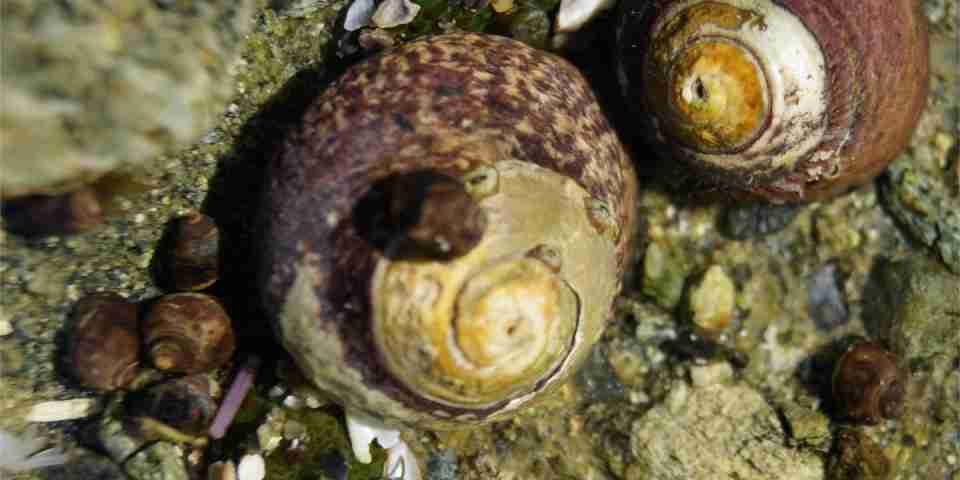
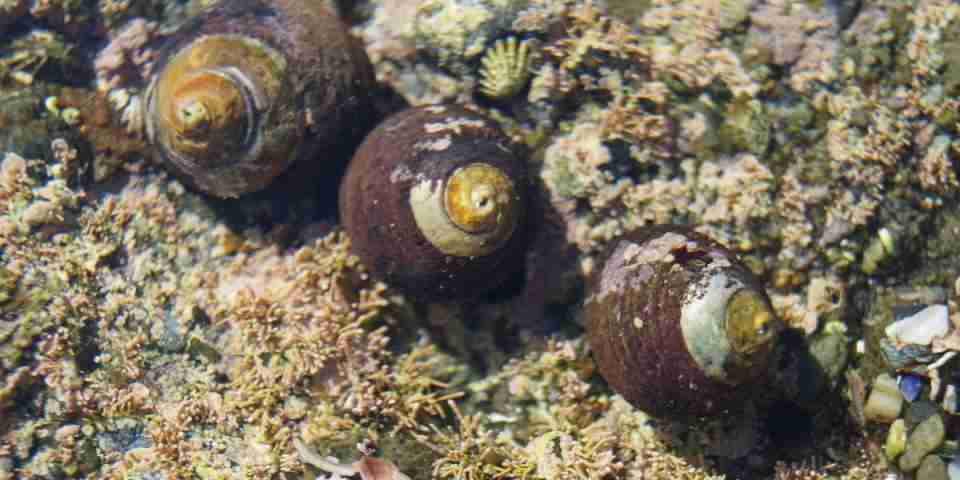
Black Turban Snail (Chlorostoma funebralis )
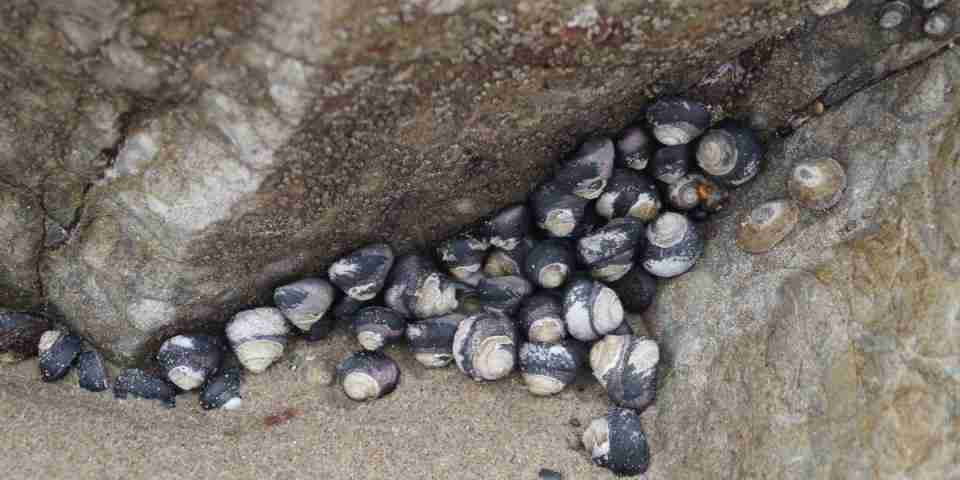
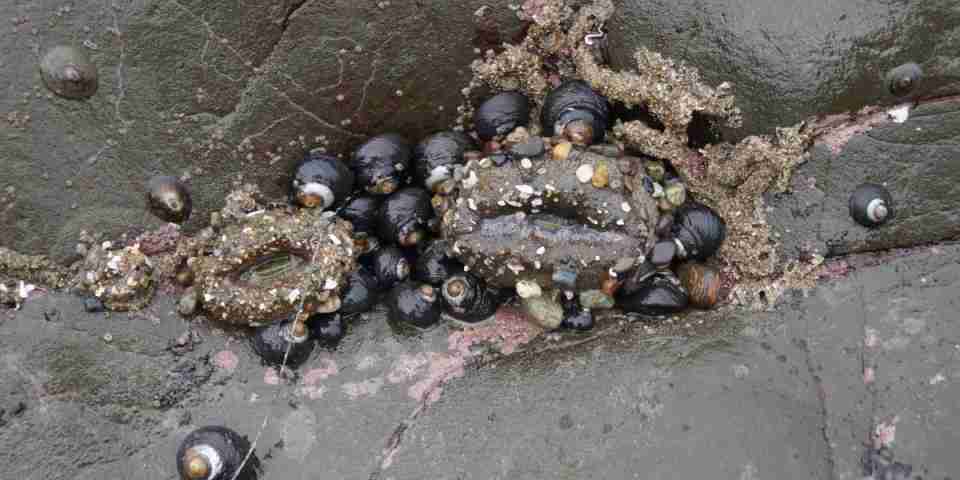
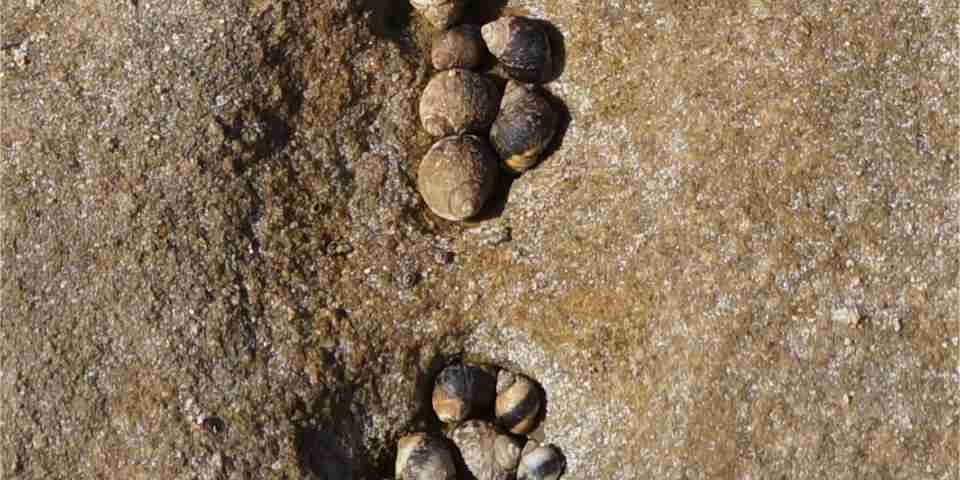
Probably the most common larger snail found in tide pools. The shells are typically about ½ – 1 inch in diameter. The lower part of the shell is black and the top part of the shell is a light brown or white color. They feed primarily on algae and found in the mid inter tidal zone.
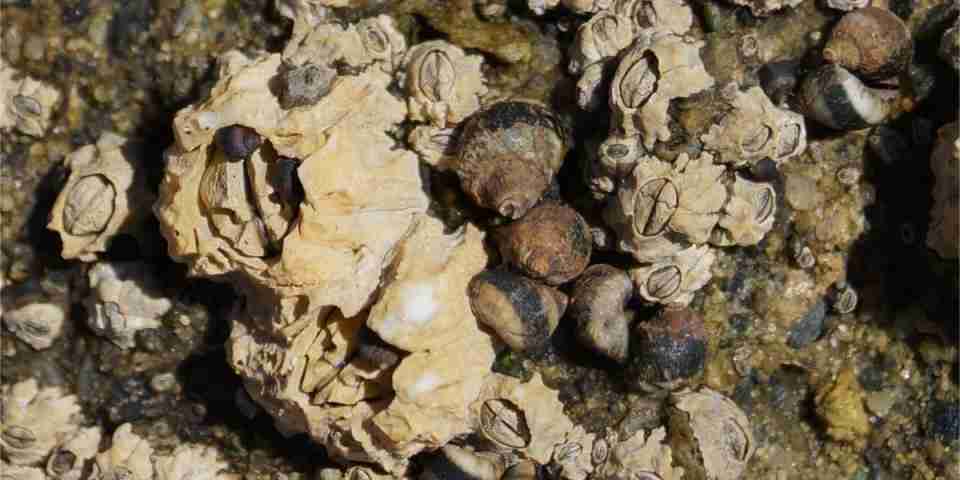
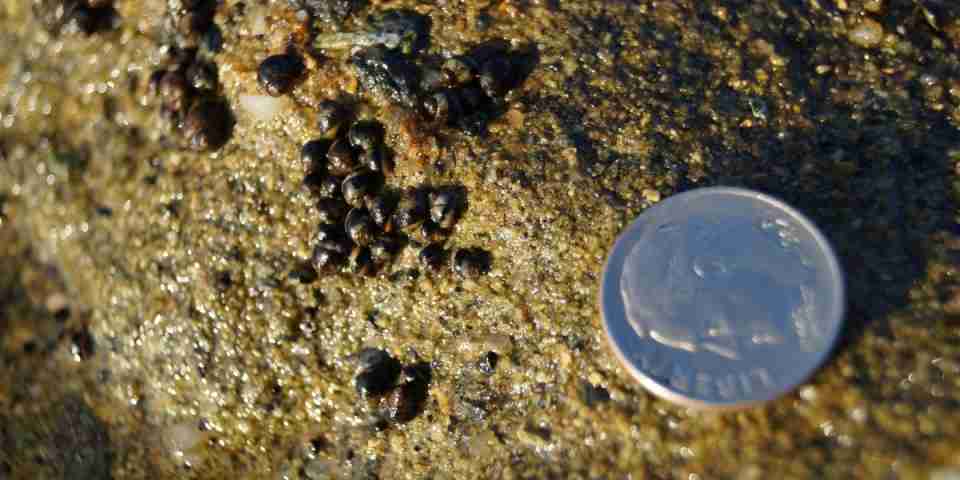
Periwinkle (Littorina spp.)
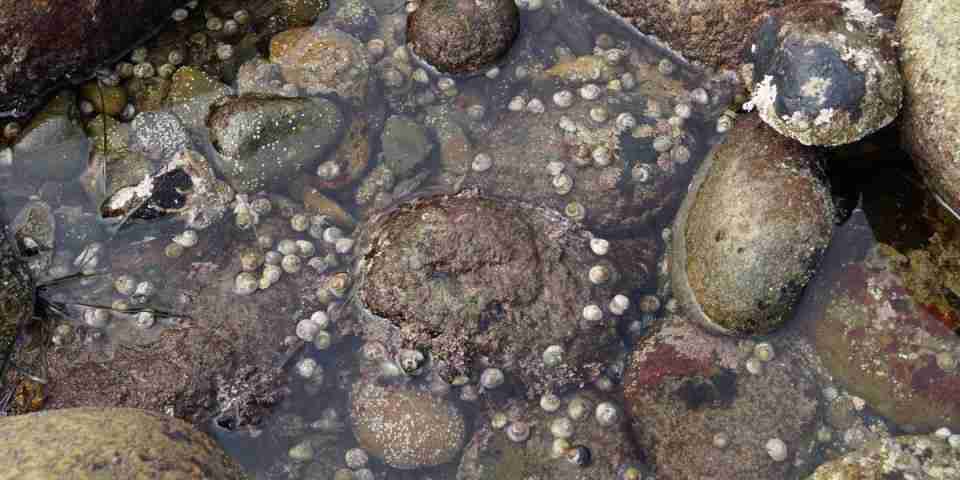
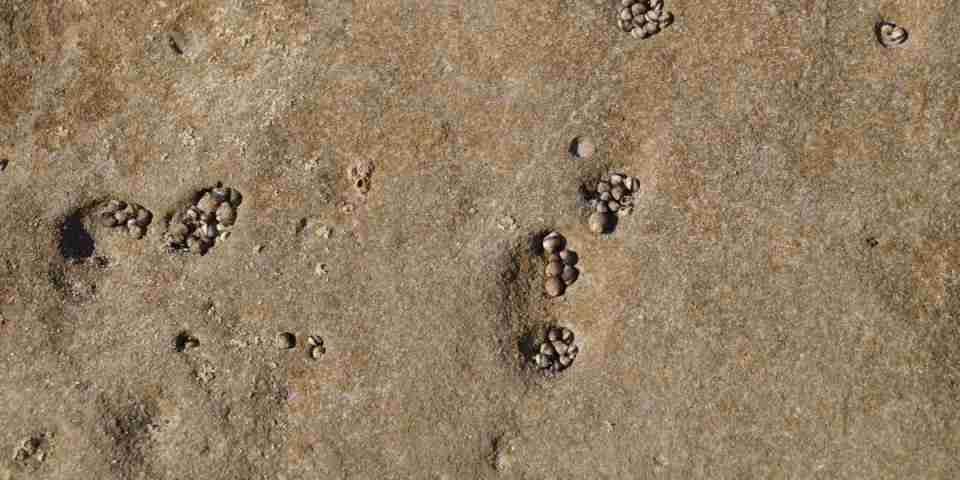
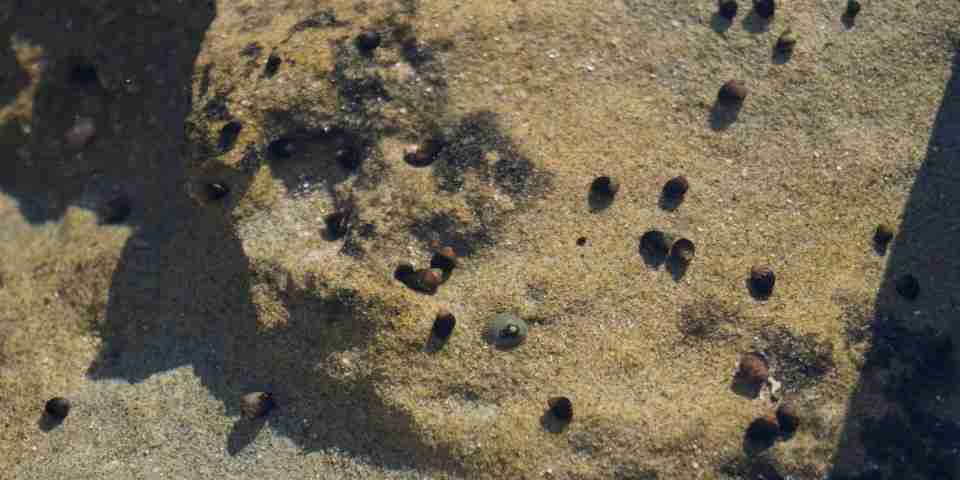
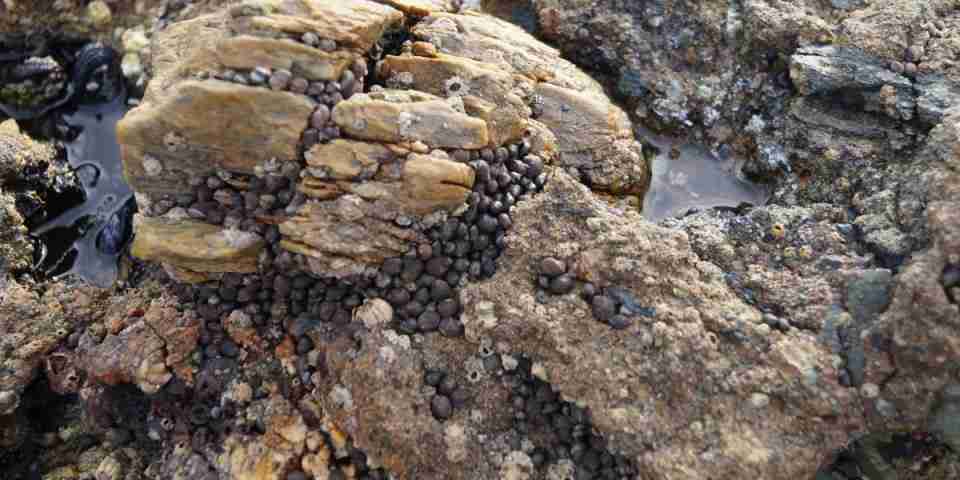
This is a very common snail found in the upper intertidal zone. They are small, less than ¼ inch and feed on micro algae that grows on exposed rocks. They can sometimes be hard to see as they are so small.
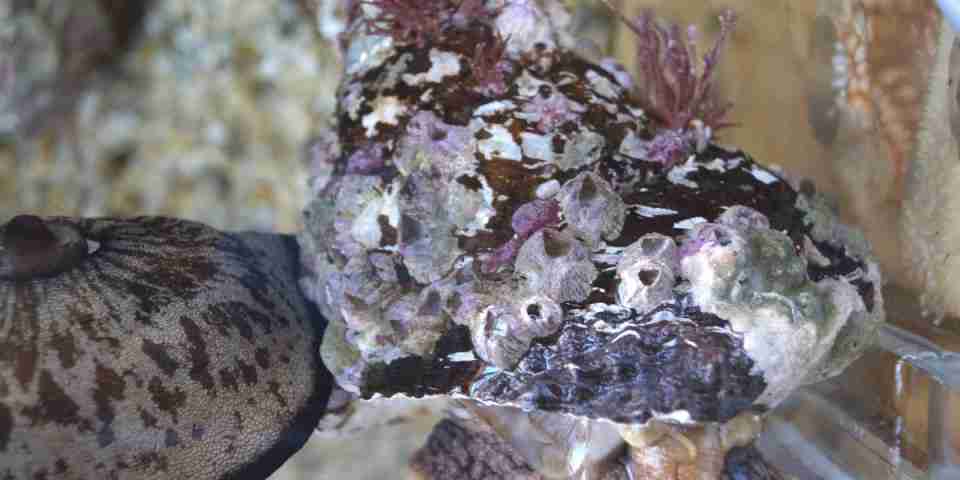
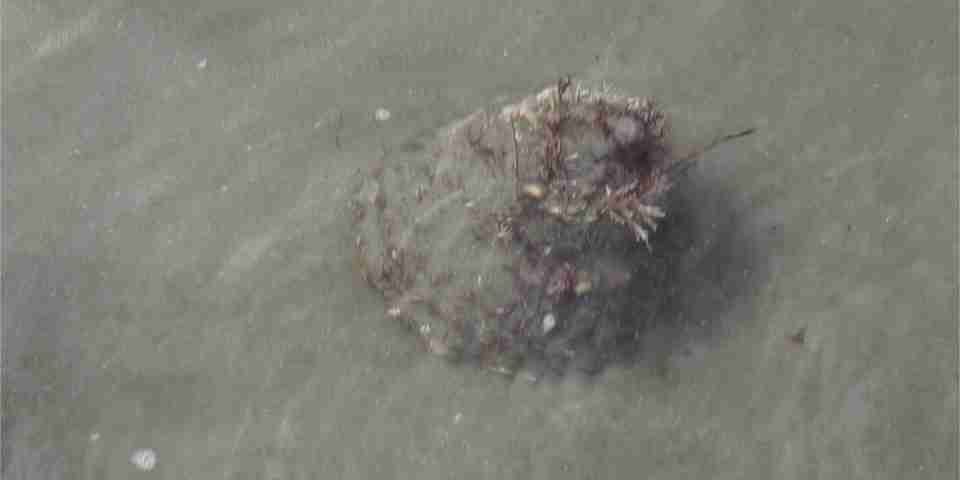
Wavy Turban Snail (Astraea undosa )
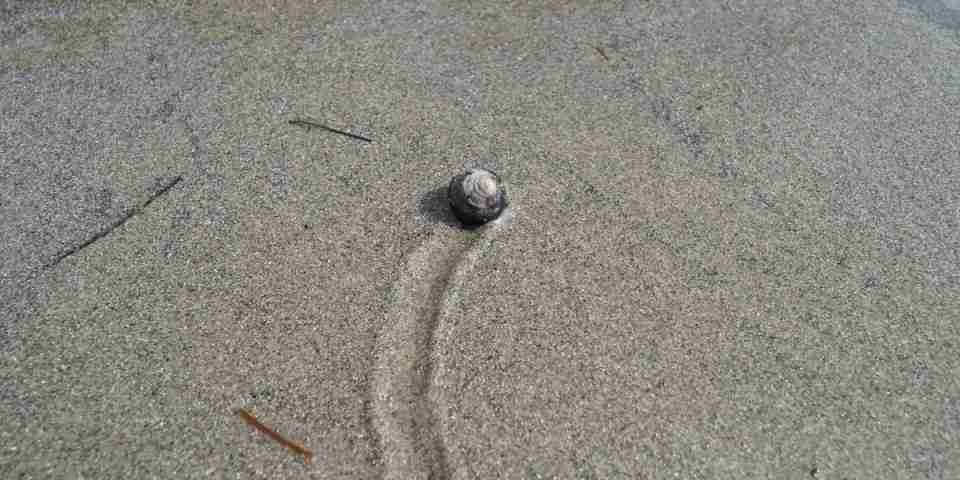
This is the largest snail found in the inter tidal zone. They are frequently found on sand in shallow areas as well as on rocks. They are herbivores and feed on various types of algae. Not as common as other snails and most visitors find the shell and not the living animal.
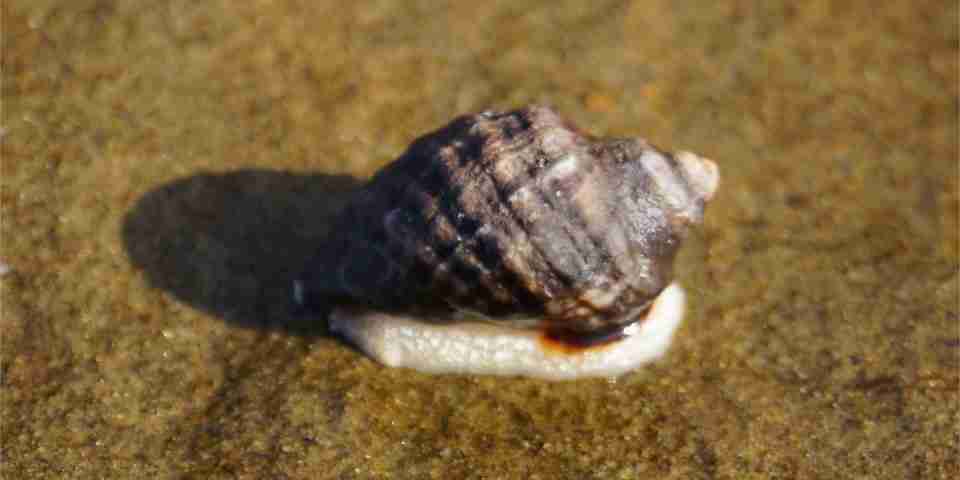
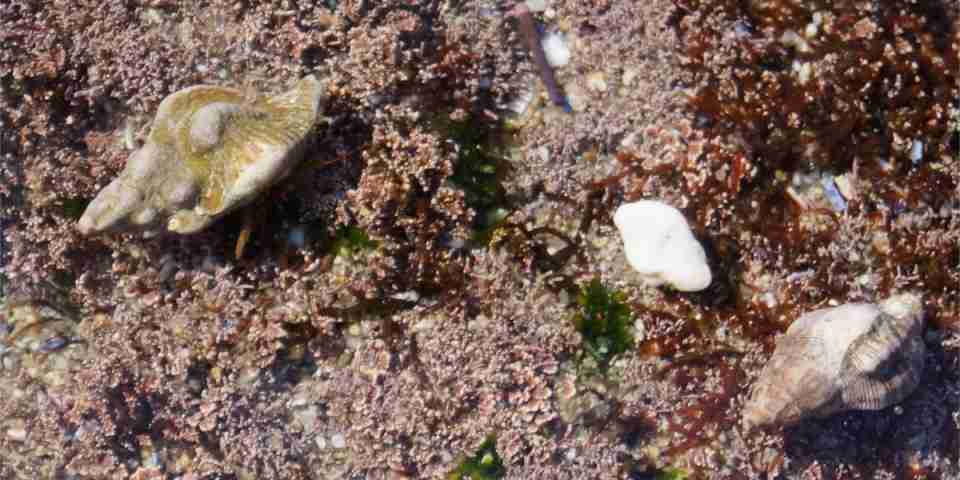
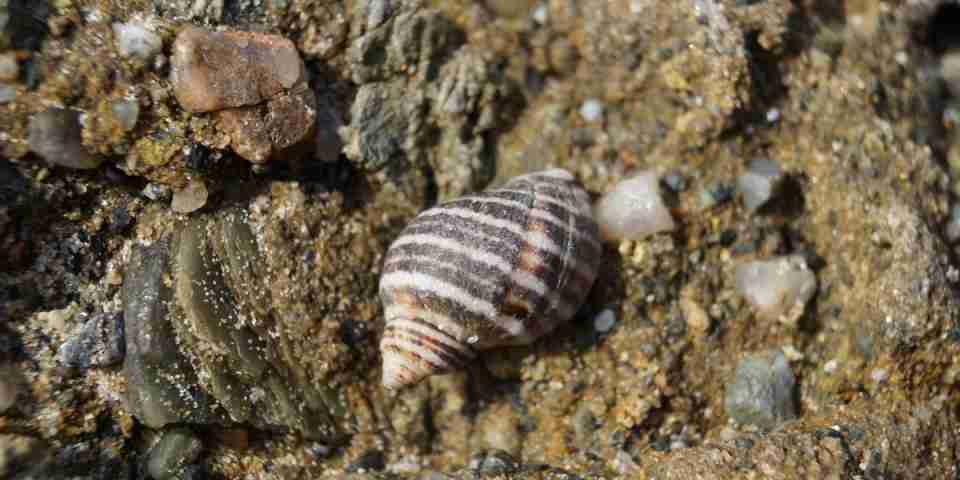
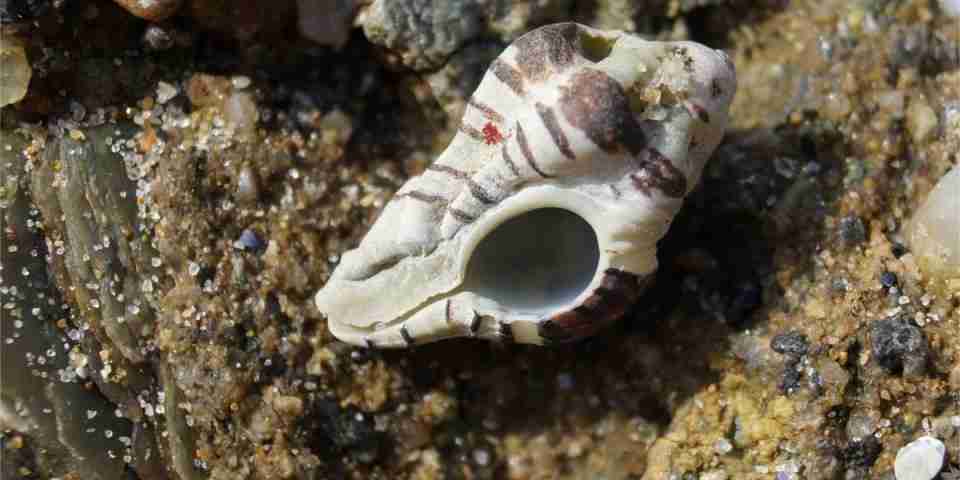
Predatory Snails
There are several different types of predatory snails ranging from welks, murex, horn snails and dog emarginant dog winkles. These snails are characterized by having the spiral of the shell more horizontal oriented than vertically oriented. These snails will slowly move around the tidepool areas looking for mussels, barnacles and other shelled animals to feed on.


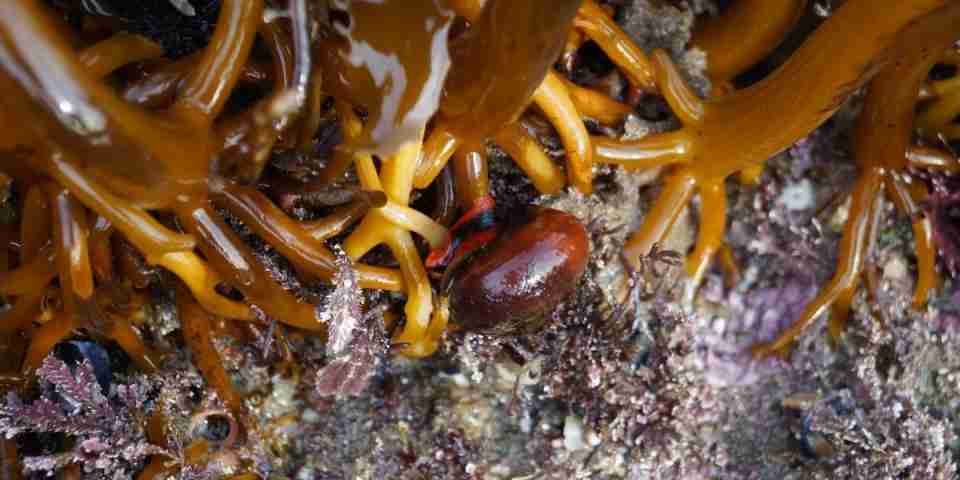

Kelp Snail (Norrisia norrisi )
A very colorful snail typically with an orange colored shell. They usually live in deeper water and feed on various brown algae. They can be seen at very low tides in the larger brown algae communities. They have a bright orange/red foot and green under part of the shell.
Sea Snail Ecology
Description – Marine snails have two distinct categorizations. They are the herbivores ( plant eaters ) and the carnivores ( animal eaters ). These two categorizations also have similarities in the body type. Herbivores tend to be more round and have the shell spiral oriented upward whereas carnivore shell types have the spiral more horizontal.
Marine snails are very similar to the snails you have in your backyard except they have gills instead of lungs. They have a hard outer shell, a large foot that is used for locomotion, mouth and eyes typically located at the end of eye stalks
Feeding – Snails have two types of feeding behaviors. The first group feeds on algae. This is either the larger visible macro algae or also the smaller, less visible micro algae. . Most also have a radula that is a specialized feeding apparatus that has a sharp tooth at the end. The snail uses this to either scrape off algae on rocks or drill an hole in an animal’s shell.
Protection – snails have a variety of adaptations that protect the animal. The first and most obvious is the hard outer shell. The shell protects the animal from wave action and predation. Snails also need to protect themselves against drying out when exposed to air. They have an operculum that is used to tightly seal the entrance of the shell making it water tight.
Ecology – Snails will venture out onto the rocks and sand when the tide is high to search for food. When the tide lowers, they will commonly seek the shelter of pools or cracks where they have a lower chance of drying out.